Maintenance & Managed AI
Keep it running and improving: monitoring, incidents, prompt, model and cost optimization, and new features.
The problem
Software degrades without attention: dependencies age, providers change models, costs creep, small bugs become support tickets. Managed AI adds prompts that drift and evaluation sets that go stale. A standing team keeps the product healthy and keeps shipping the improvements that users ask for.
What we build
- Monitoring, uptime and incident response with clear response times
- Prompt, model and cost optimization with a monthly quality report
- A feature backlog delivered in a predictable monthly rhythm
Maintenance, Uptime, AI monitoring, Prompt optimization, Model upgrades, Cost optimization
How it works
- 01
Onboard
Code, infrastructure and access reviewed; monitoring and a backlog set up in the first two weeks.
- 02
Operate
Uptime, incidents, updates and security patches handled inside agreed response times.
- 03
Improve
Monthly prompt, model and cost review; features shipped from the backlog.
- 04
Report
A monthly report on uptime, incidents, spend and what shipped.
Work that proves it
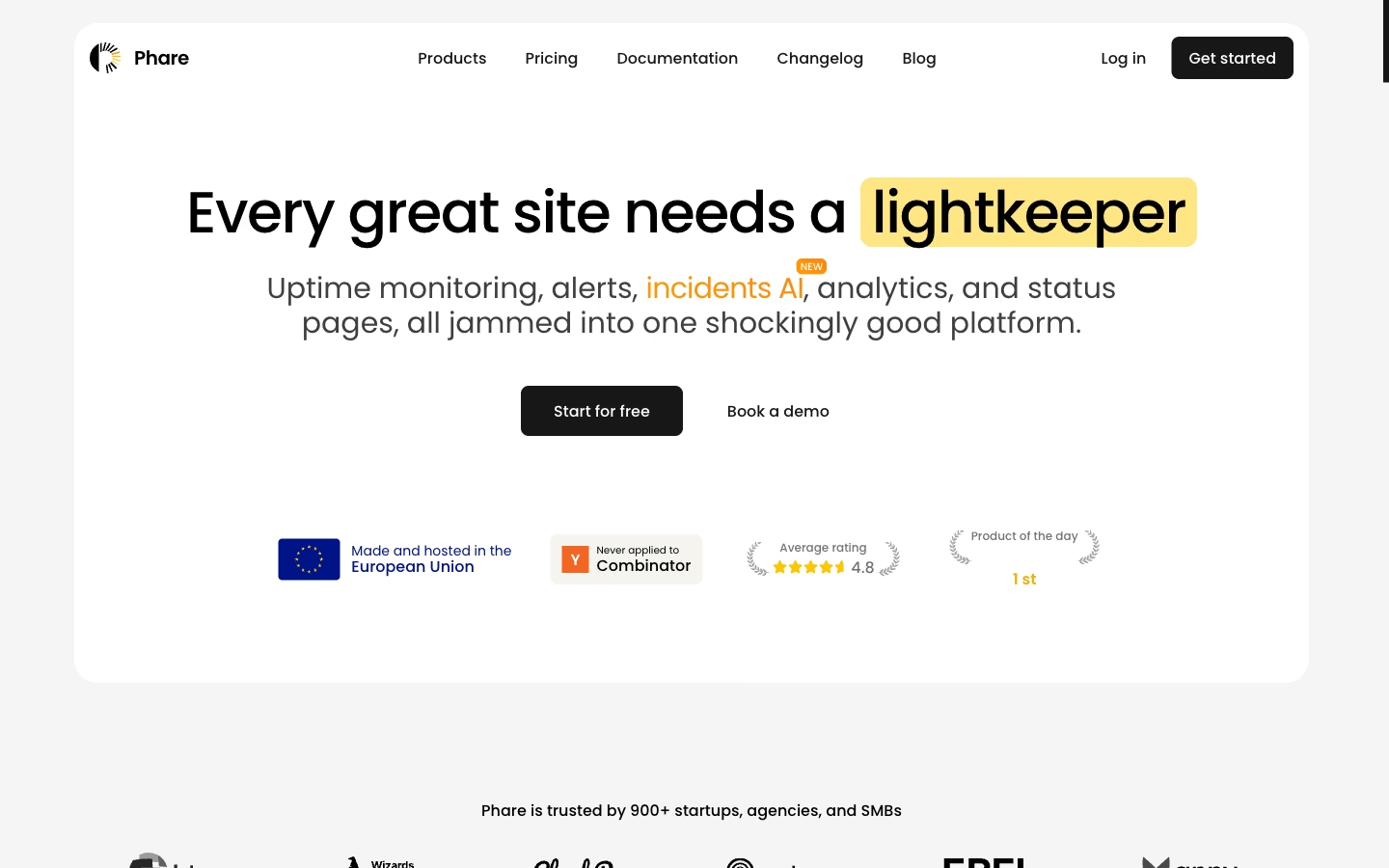
Monitoring, incident management and status pages
Designed and developed for the client: monitoring checks, incident flow and public status pages.
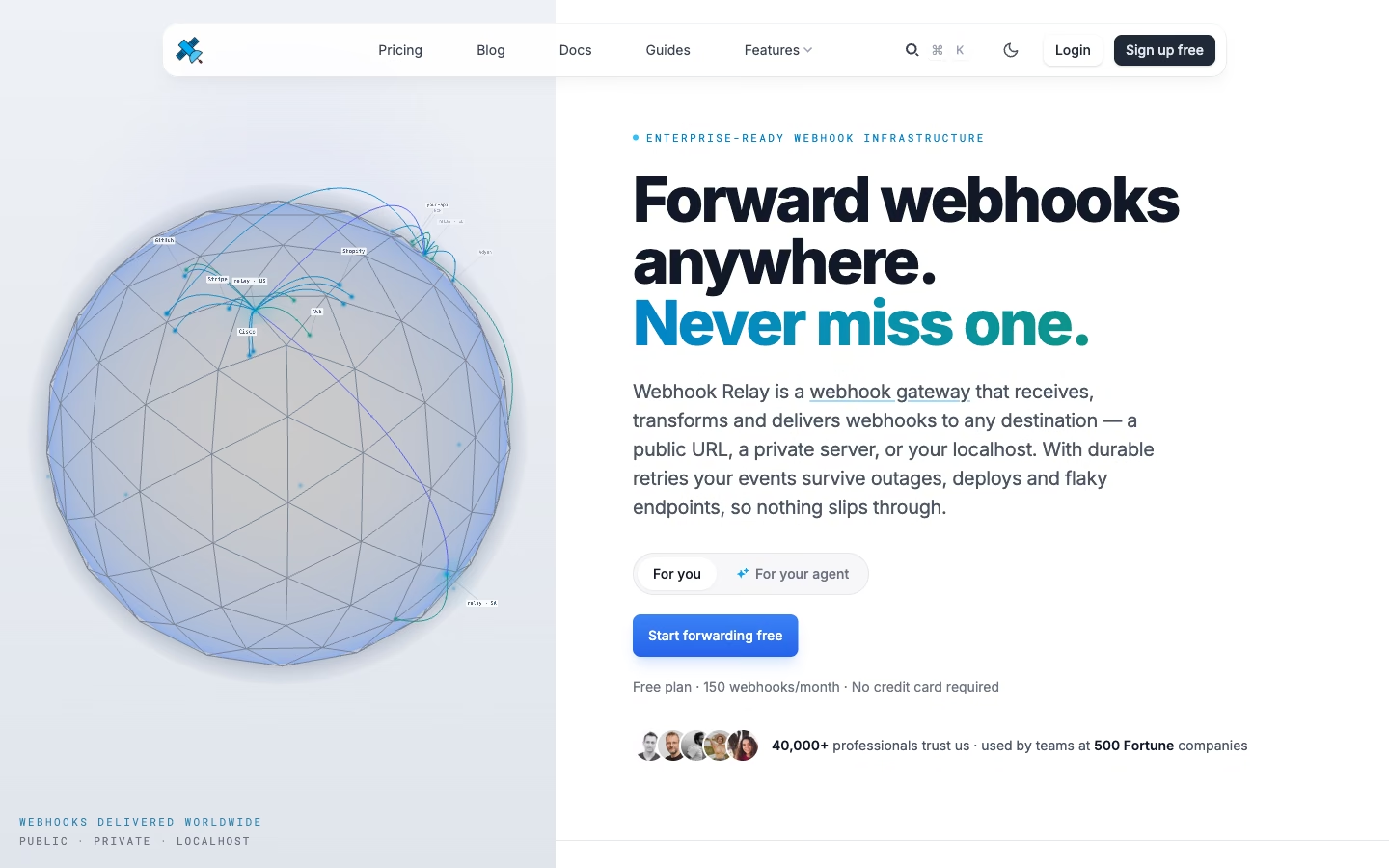
Webhook and API infrastructure with SOC 2 Type II, SSO and audit logs
Designed and developed for the client: webhook forwarding and replay, tunnels, and the audit and access-control surface.
What you get
Onboarding review and backlog
Monitoring and incident process
Monthly quality and cost report
Security and dependency updates
Shipped features from the backlog
Updated documentation
Questions
What's included in a maintenance engagement?
How long does onboarding take?
What do you need from us?
Who owns the code and the data?
What response times do you commit to?
Not sure where to start?
Describe the problem in a few lines. You get a straight answer on what we would build and how long it takes.