Legacy Software + AI Modernization
Modernize what you have and add AI without a risky rebuild.
The problem
The system works, mostly. Nobody wants to touch it, every change takes weeks, and the AI ideas stay ideas because the data is locked inside. A rewrite would take a year and break what still earns money. Modernization in steps keeps the business running while the software improves underneath it.
What we build
- An API layer over the existing system so new features and AI can use its data safely
- Database, auth and performance upgrades delivered one module at a time
- Cloud migration and monitoring so the platform becomes cheaper and safer to change
Backend modernization, API layer, Database modernization, Cloud migration, Auth upgrades, Performance
How it works
- 01
Assess
Code, data, dependencies and risks mapped; the modules worth keeping, wrapping or replacing named.
- 02
Wrap
An API layer and tests around the current system before anything is changed inside it.
- 03
Replace in slices
One module at a time, with feature flags and a rollback path for each.
- 04
Add AI
Retrieval over existing data, agents beside existing workflows, once the foundation can carry them.
Work that proves it
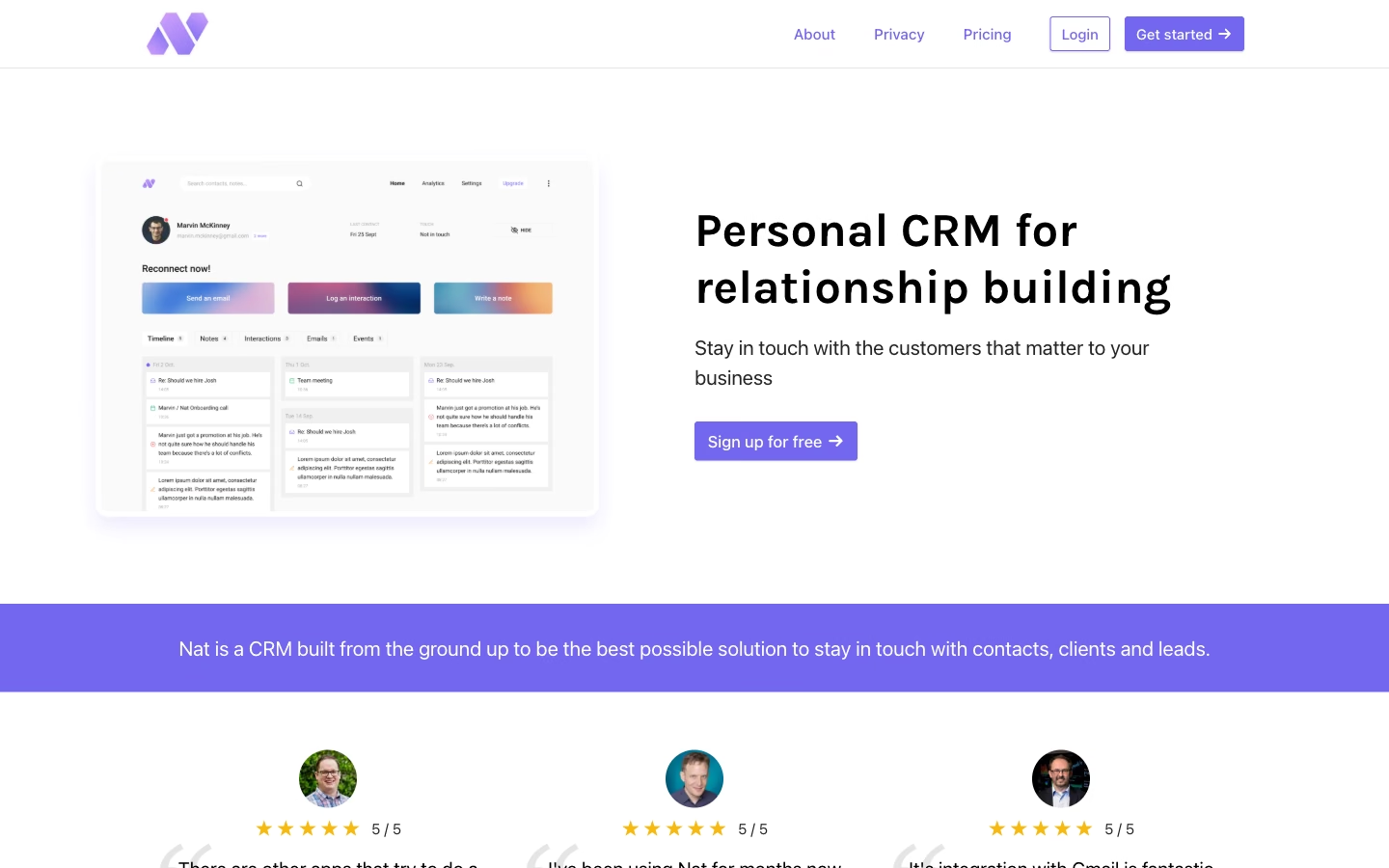
Relationship CRM with Gmail, Calendar, Stripe and Segment
Designed and developed for the client: relationship data model and the Gmail, Calendar, Stripe and Segment integrations.
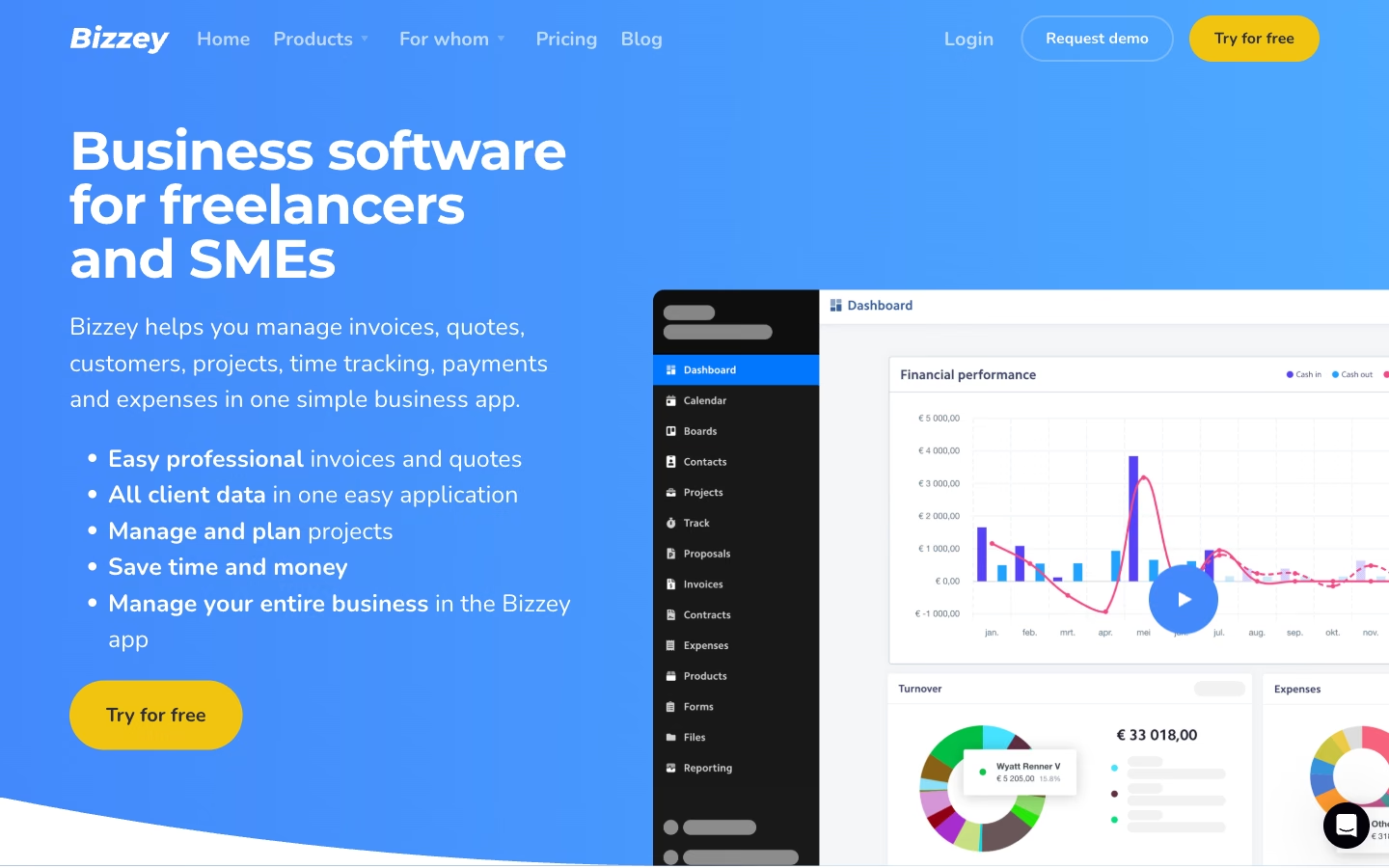
Business management SaaS: CRM, invoicing, projects, time, payments and expenses
Designed and developed for the client: CRM, invoicing, projects and time tracking inside one workspace.
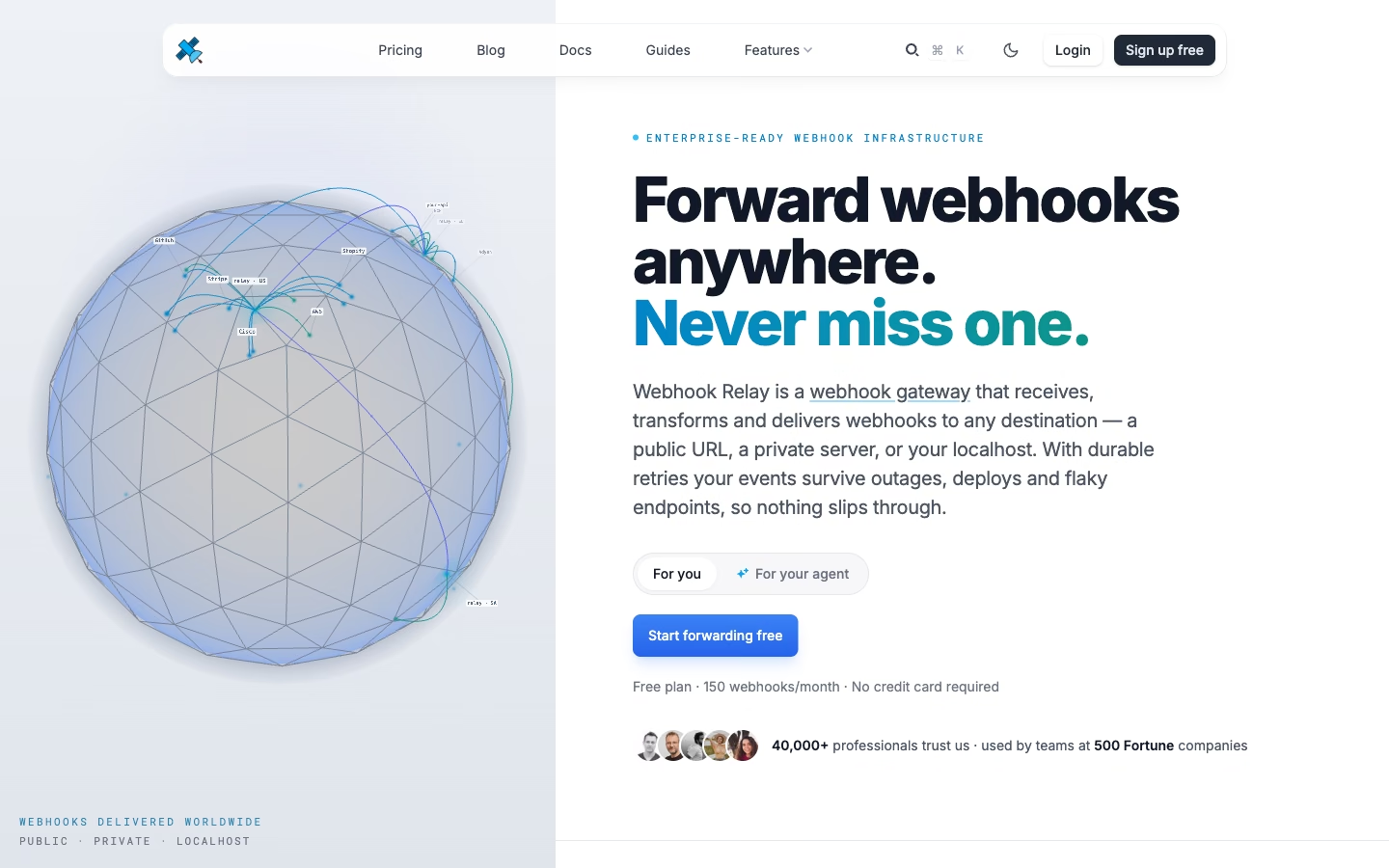
Webhook and API infrastructure with SOC 2 Type II, SSO and audit logs
Designed and developed for the client: webhook forwarding and replay, tunnels, and the audit and access-control surface.
What you get
Assessment report and modernization plan
API layer with tests
Migrated modules with rollback plans
Upgraded auth and database
Monitoring and cost report
Documentation
Questions
What's included in a modernization engagement?
How long does a modernization run?
What do you need from us?
Who owns the code and the data?
Can you modernize without a freeze on new features?
Not sure where to start?
Describe the problem in a few lines. You get a straight answer on what we would build and how long it takes.