Data Engineering & Analytics
Reliable pipelines, a warehouse you can trust and dashboards people use: the data foundation every AI feature needs.

The problem
Reports rebuilt by hand every month. Numbers that disagree between tools. AI projects that stall because the data is not clean, joined or fresh. Fintech teams reconciling transactions in spreadsheets. The fix is not another dashboard; it is a pipeline with tests, a modeled warehouse and metrics everyone defines the same way.
What we build
- Ingestion from apps, APIs, databases and files into pipelines with tests and alerts
- A modeled warehouse (star schemas, dbt, documented) with self-serve metrics and dashboards
- AI-ready feature and knowledge layers, plus governance: access, lineage and PII handling
ETL/ELT pipelines (batch and streaming), Data modeling, Warehouse and lakehouse design, BigQuery, Snowflake, ClickHouse, Postgres, dbt, Orchestration (Airflow, Dagster), Event streaming (Kafka, webhooks), Data quality and observability, BI (Metabase, Looker, Power BI), Reverse ETL, Fintech data: reconciliation and reporting
How it works
- 01
Data audit and metric definitions
Every source, every metric, one agreed definition each. The disagreements surface here, not in the board meeting.
- 02
Pipeline and model design
Batch or streaming per source, warehouse layout, naming, tests and ownership.
- 03
Build with tests and CI
Pipelines, dbt models and data-quality checks ship through CI with monitoring from the first run.
- 04
Dashboards and training
Dashboards on the modeled layer, and the training so your team answers its own questions.
- 05
Operate
SLAs, cost control and evolution as sources and questions change.
Work that proves it
Adjacent proof: these products show the underlying skills (document extraction at scale, durable event delivery, metrics pipelines behind monitoring, CRM data integration), not data platforms we built end to end.
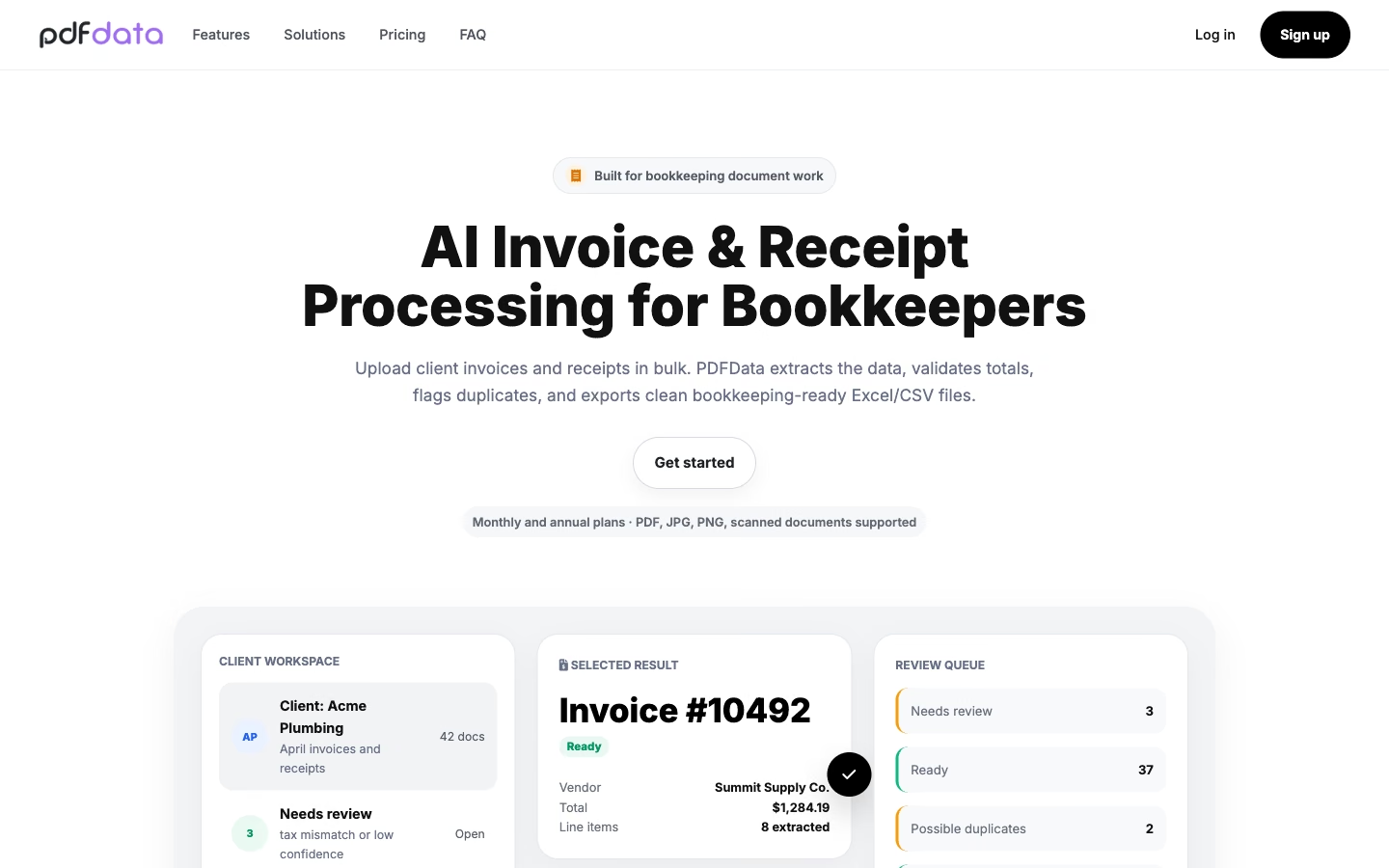
AI invoice and receipt processing to Excel, CSV and JSON
Designed and developed for the client: extraction pipeline, bulk processing and the export and API surface.
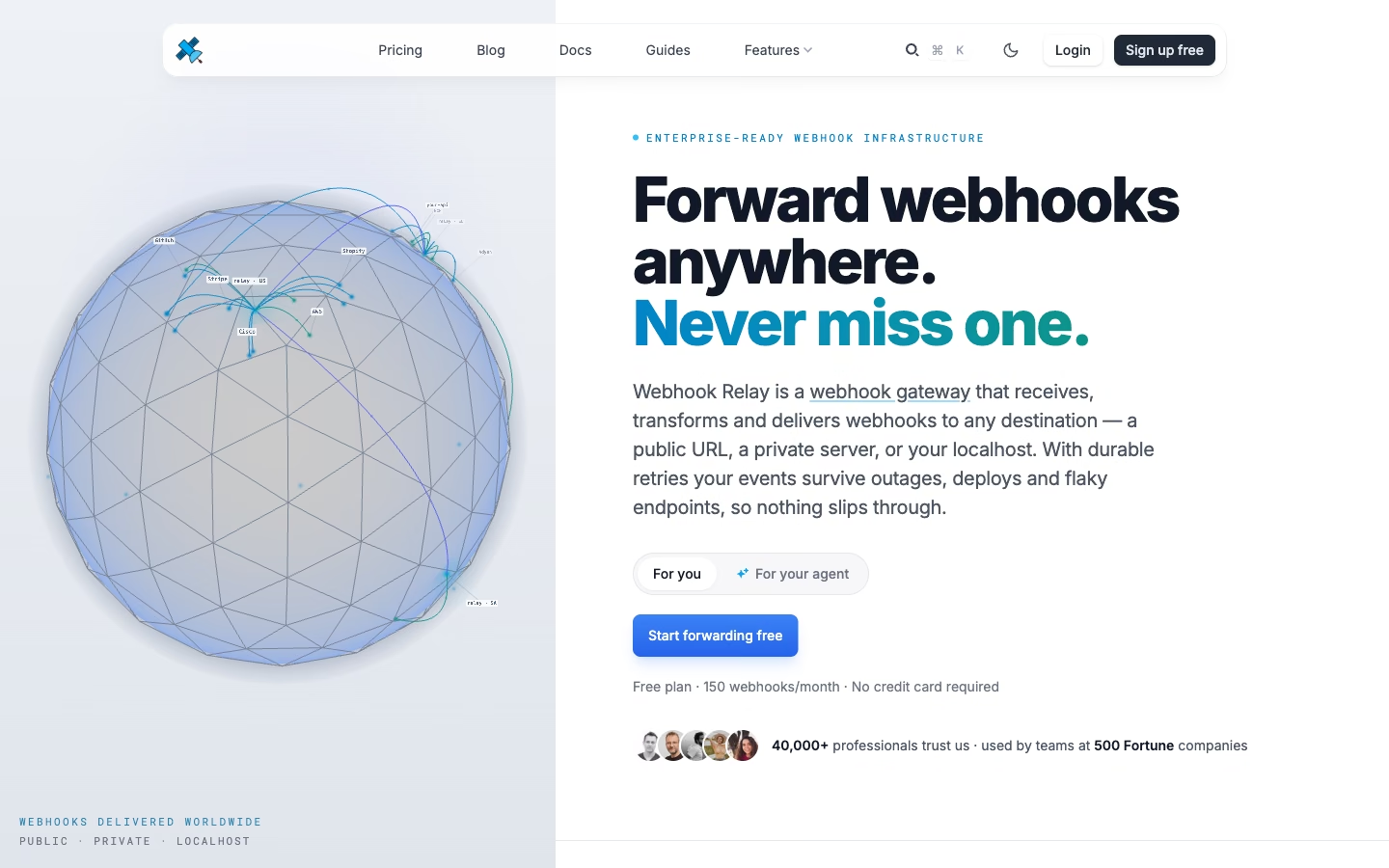
Webhook and API infrastructure with SOC 2 Type II, SSO and audit logs
Designed and developed for the client: webhook forwarding and replay, tunnels, and the audit and access-control surface.
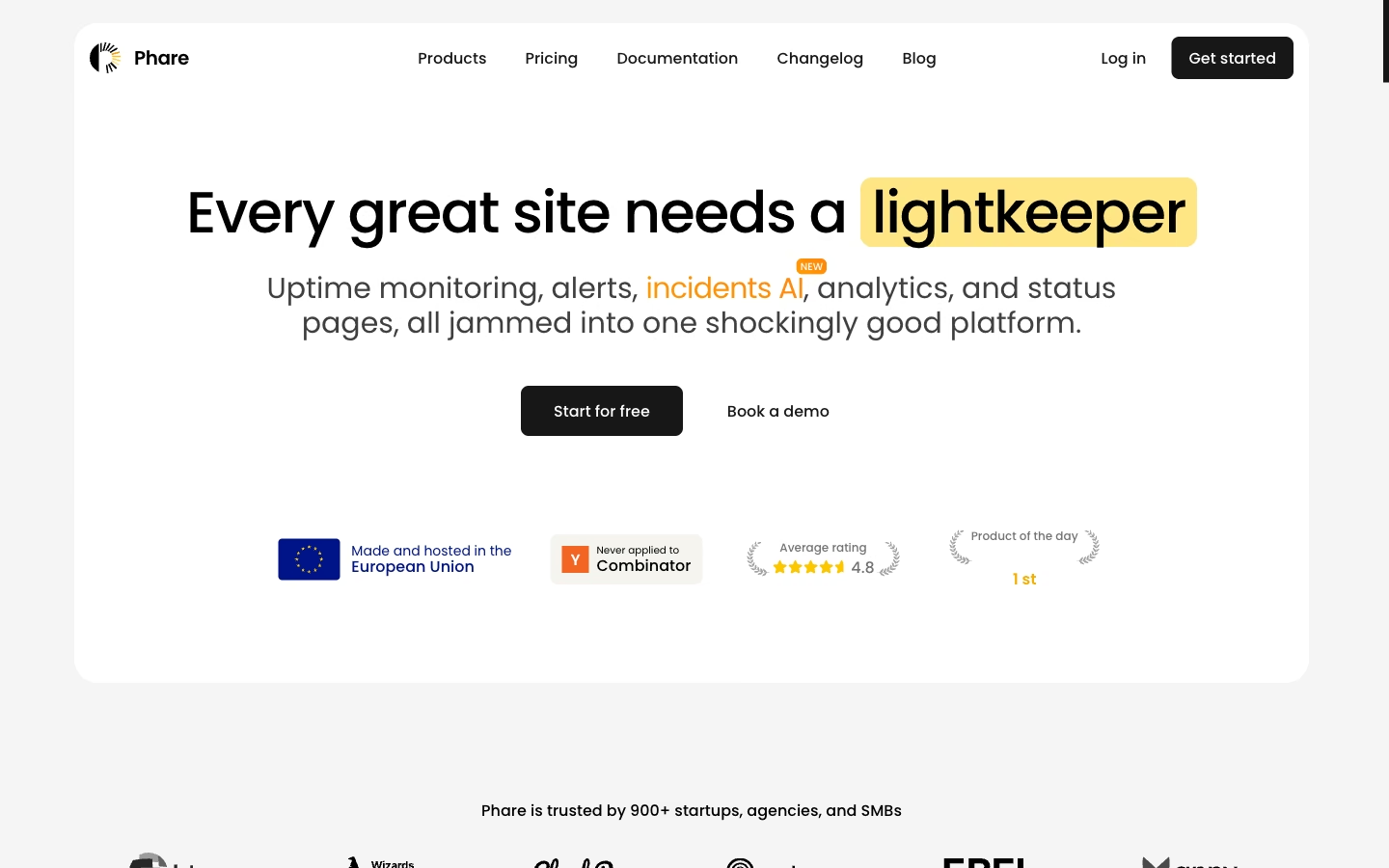
Monitoring, incident management and status pages
Designed and developed for the client: monitoring checks, incident flow and public status pages.
What you get
Source inventory and data contracts
Pipeline code and orchestration
Warehouse models and documentation
Data-quality tests and alerts
Dashboards
Runbook
Cost report
Questions
Which warehouse is right for us?
Batch or streaming?
How do you keep data quality high?
How does this connect to AI?
What does it cost on cloud free tiers versus at scale?
Who owns the pipelines after handover?
Not sure where to start?
Describe the problem in a few lines. You get a straight answer on what we would build and how long it takes.