API & System Integration
Connect CRMs, ERPs, payments, SaaS platforms and internal systems, reliably.
The problem
Every tool has an API and every integration still breaks: a rate limit, a changed field, a webhook that arrived twice. The cost shows up as duplicated records, missed orders and staff re-checking systems by hand. Integration done well is boring: idempotent, observable, and easy to replay.
What we build
- Two-way syncs between CRMs, ERPs, payment and email platforms with conflict rules
- Webhook handlers that dedupe, retry and replay, with a log you can search
- Internal APIs that give your own systems a clean, documented surface
REST APIs, Webhooks, Payments, Gmail and Google Calendar, Notion, Shopify, Slack
How it works
- 01
Map the flows
Which system owns which field, what triggers what, and what happens when something fails.
- 02
Design for failure
Idempotency keys, retries, dead-letter queues and alerts designed before the happy path.
- 03
Build and test
Contract tests against real sandboxes; every integration observable from day one.
- 04
Operate
Dashboards for lag and failures, a replay tool, and a runbook for vendor changes.
Work that proves it
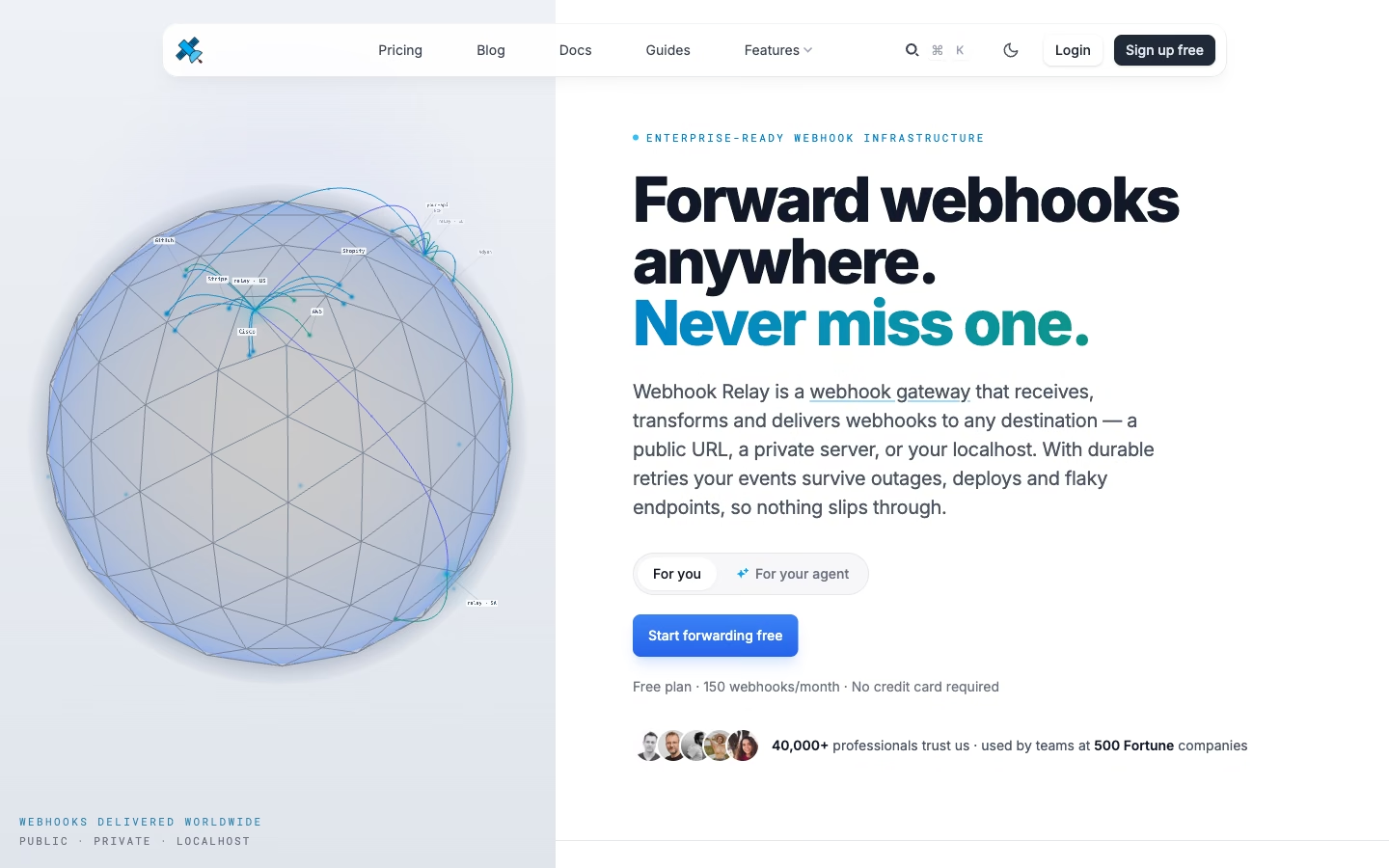
Webhook and API infrastructure with SOC 2 Type II, SSO and audit logs
Designed and developed for the client: webhook forwarding and replay, tunnels, and the audit and access-control surface.
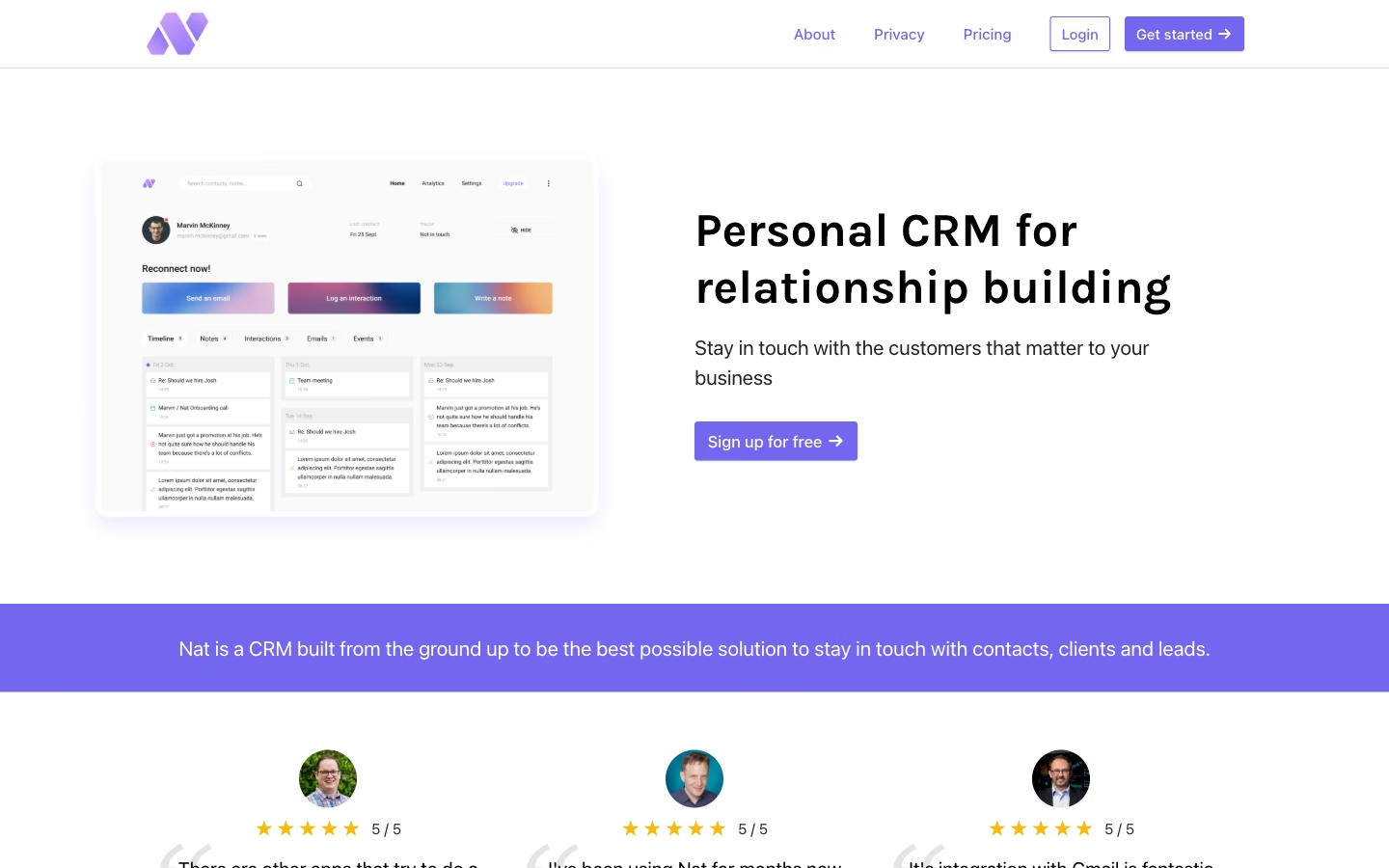
Relationship CRM with Gmail, Calendar, Stripe and Segment
Designed and developed for the client: relationship data model and the Gmail, Calendar, Stripe and Segment integrations.
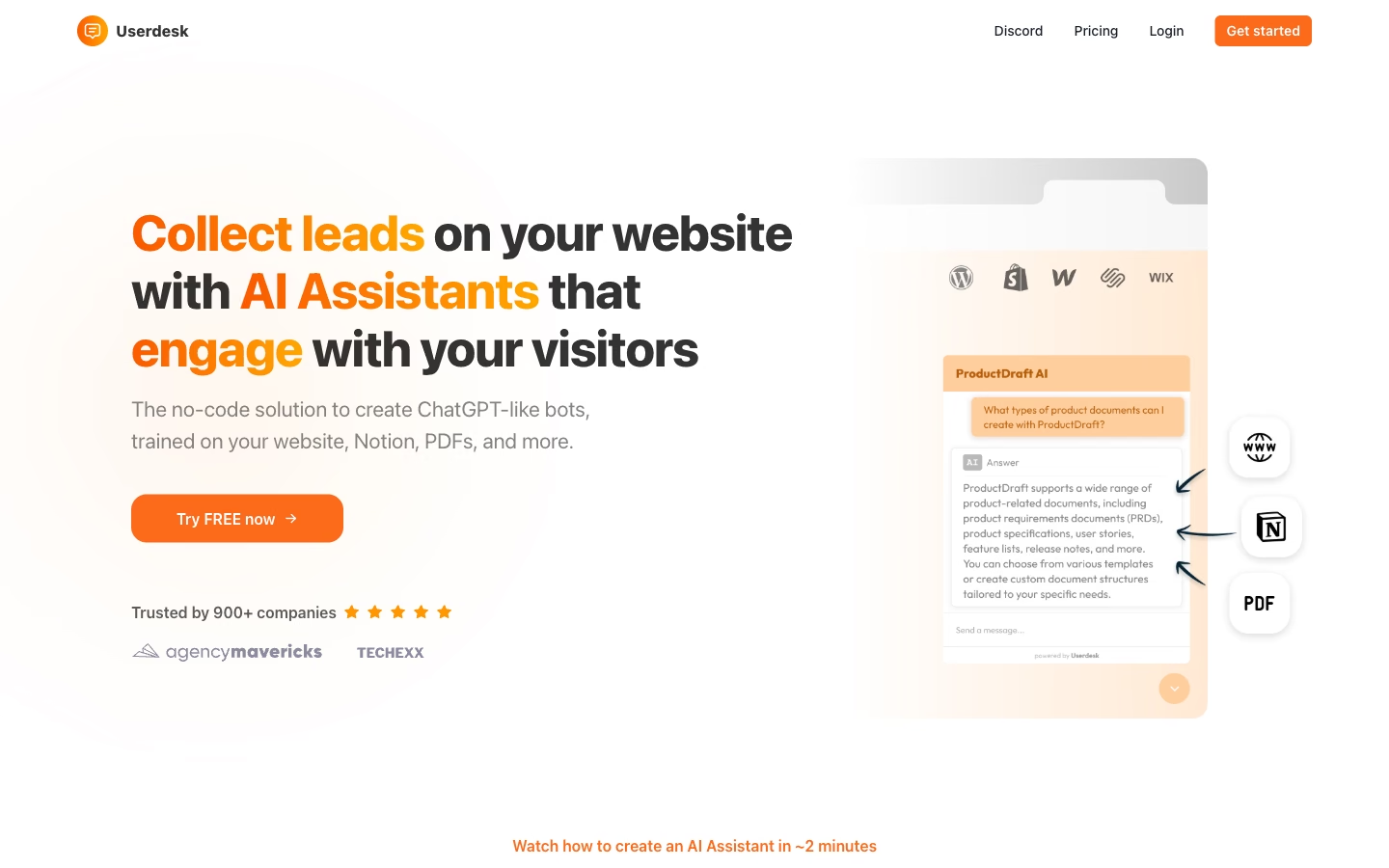
No-code AI support and lead assistant trained on your site, Notion, PDFs and Drive
Designed and developed for the client: retrieval pipeline, the embeddable assistant and the lead hand-off flow.
What you get
Integration map and ownership rules
Integration code with tests
Webhook handling with replay
Monitoring and alerting
Runbook and vendor-change checklist
Questions
What's included in an integration engagement?
How long does one integration take?
What do you need from us?
Who owns the code and the data?
What happens when the other system changes its API?
Not sure where to start?
Describe the problem in a few lines. You get a straight answer on what we would build and how long it takes.