AI SaaS / AI Product Development
Complete AI-native products: architecture, frontend, backend, auth, billing, agents, pipelines, dashboards and cloud.
The problem
An AI product is a product first. Models change monthly; billing, onboarding, permissions, latency and cost control do not. Teams that start from a demo notebook spend the second half of the project rebuilding the first half. We start from the product loop and place the model where it earns its keep.
What we build
- Multi-tenant SaaS with auth, roles, billing and usage metering from day one
- Model pipelines with evaluation, fallbacks and per-customer cost tracking
- Customer-facing dashboards and admin tools that show what the AI did and why
Product strategy, AI architecture, Billing and subscriptions, Dashboards, Monitoring
How it works
- 01
Product loop
One core loop, one paying user profile, one metric. Everything else waits.
- 02
Architecture
Stack chosen for speed now and scale later; data model, AI plan, cost model and a week-by-week build plan.
- 03
Weekly sprints
Design system, core loop, AI features, integrations, billing. A live demo every week on a staging URL.
- 04
Launch and iterate
Real users, analytics from day one, fixes shipped daily, then the roadmap.
Work that proves it
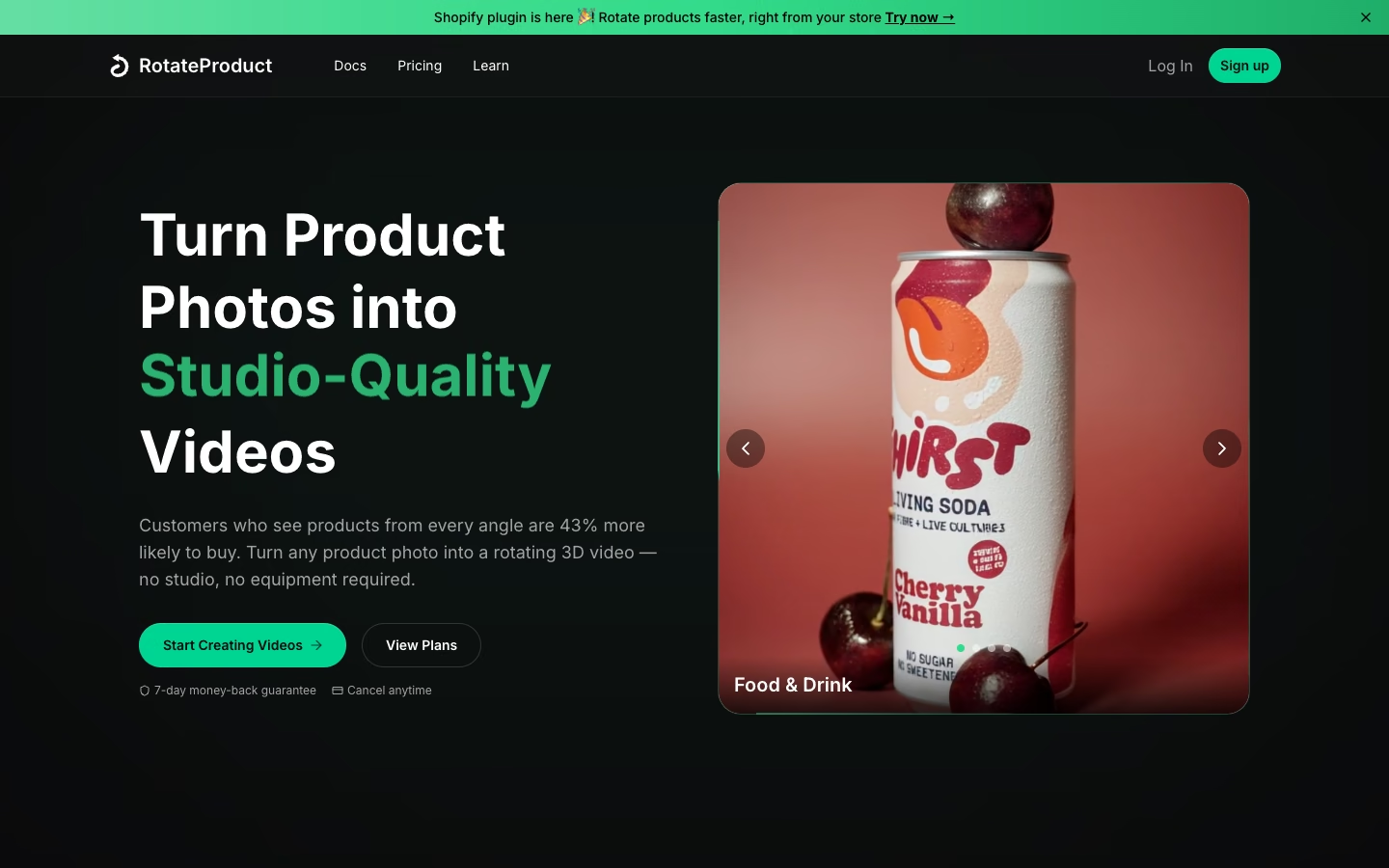
AI product photo to rotating video for e-commerce
Designed and developed for the client: the product-photo to rotating-video pipeline and the self-serve plan flow.
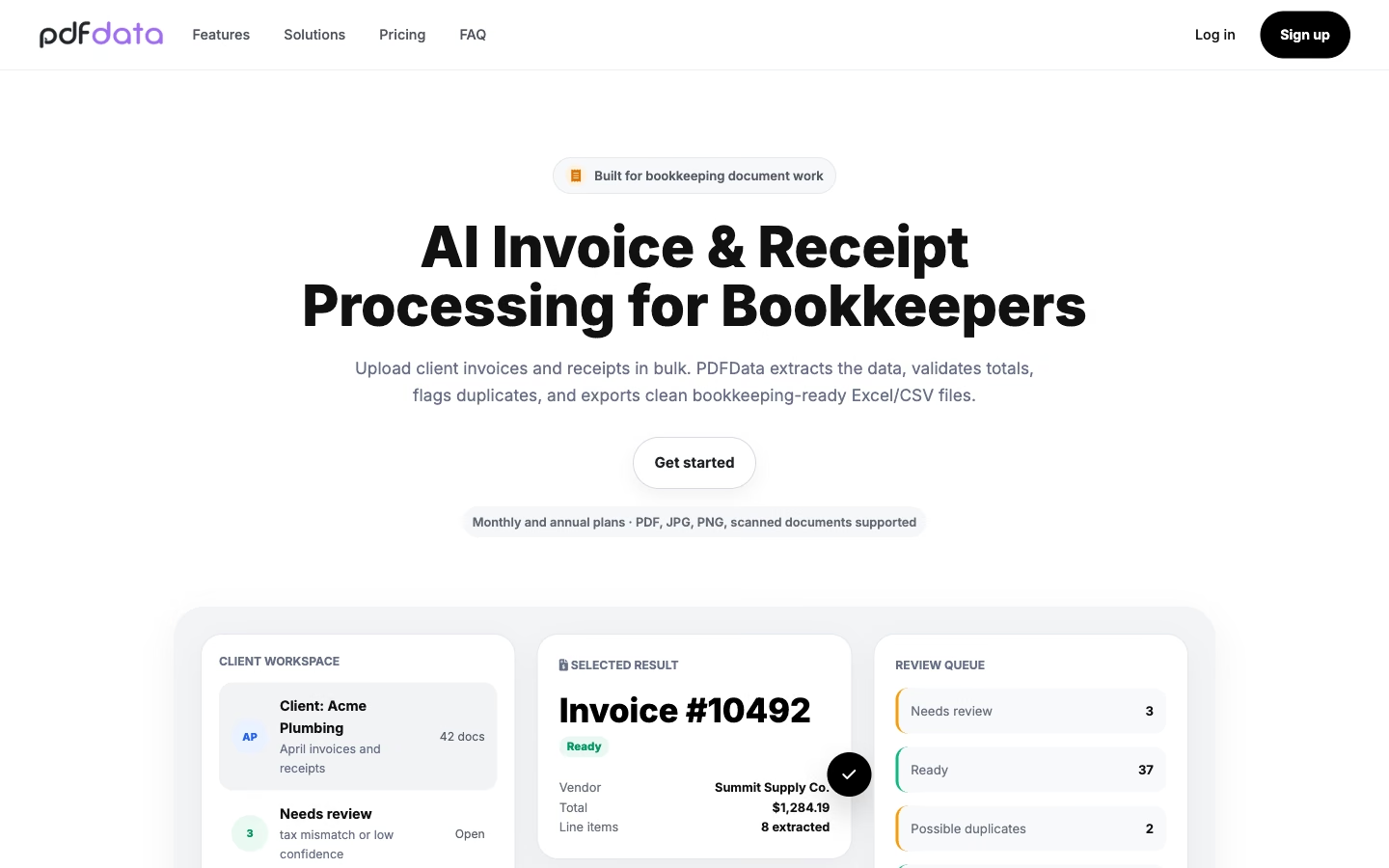
AI invoice and receipt processing to Excel, CSV and JSON
Designed and developed for the client: extraction pipeline, bulk processing and the export and API surface.
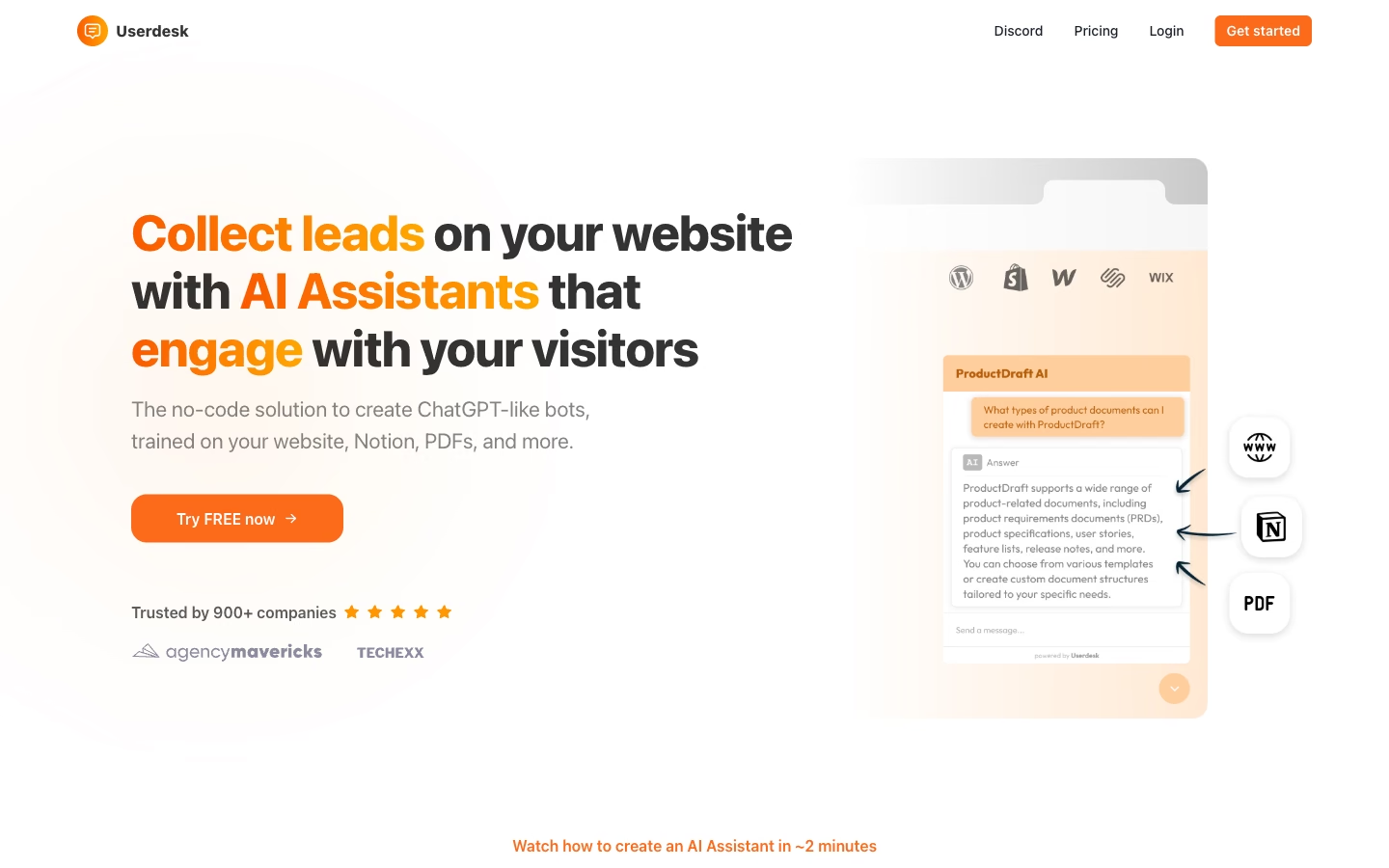
No-code AI support and lead assistant trained on your site, Notion, PDFs and Drive
Designed and developed for the client: retrieval pipeline, the embeddable assistant and the lead hand-off flow.
What you get
Product scope and architecture document
Working product on your cloud accounts
Billing and subscription setup
Model evaluation set and cost dashboard
Analytics instrumentation
Admin panel
Documentation and runbook
Questions
What's included in an AI product engagement?
How long to a first release users can pay for?
What do you need from us?
Who owns the code and the data?
Can you take over a product someone else started?
Not sure where to start?
Describe the problem in a few lines. You get a straight answer on what we would build and how long it takes.