Cybersecurity & AI Security
Protect SaaS, APIs, cloud, data and AI systems, including apps built with AI coding tools.
The problem
Apps built quickly, often with AI assistance, ship with the same classic holes: exposed keys, weak auth, unchecked inputs, permissive cloud rules. Agents add new ones: prompt injection, data leakage through tools, runaway spend. Security is a review, a fix list and a habit, not a certificate.
What we build
- Application and API security reviews with prioritized fixes, not just findings
- Auth hardening: sessions, MFA, rate limits, secrets management
- Agent security: prompt-injection defenses, tool permissions, spend limits and audit logs
Application security, API security, Vulnerability scanning, Auth hardening, Agent security
How it works
- 01
Scan and review
Automated scanning plus a manual review of auth, data flows, cloud configuration and AI surfaces.
- 02
Prioritize
Findings ranked by exploitability and impact, with a fix plan your team can follow.
- 03
Fix and verify
We fix or pair on the fixes, then re-test every item on the list.
- 04
Keep it that way
Dependency and configuration checks in CI, and a quarterly review.
Work that proves it
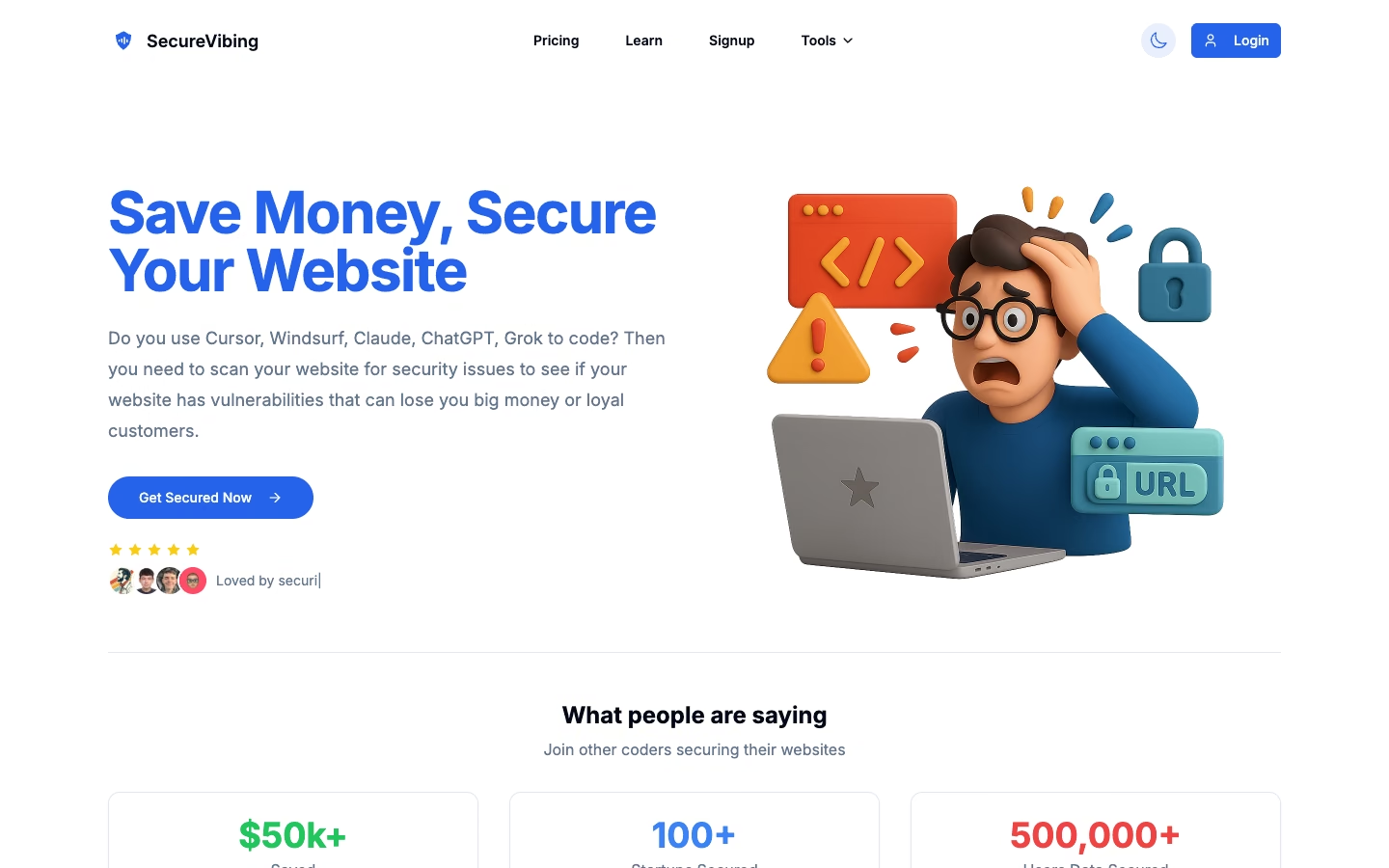
Security scanning for apps built with AI coding tools
Designed and developed for the client: the scanning pipeline and the findings report for AI-assisted codebases.
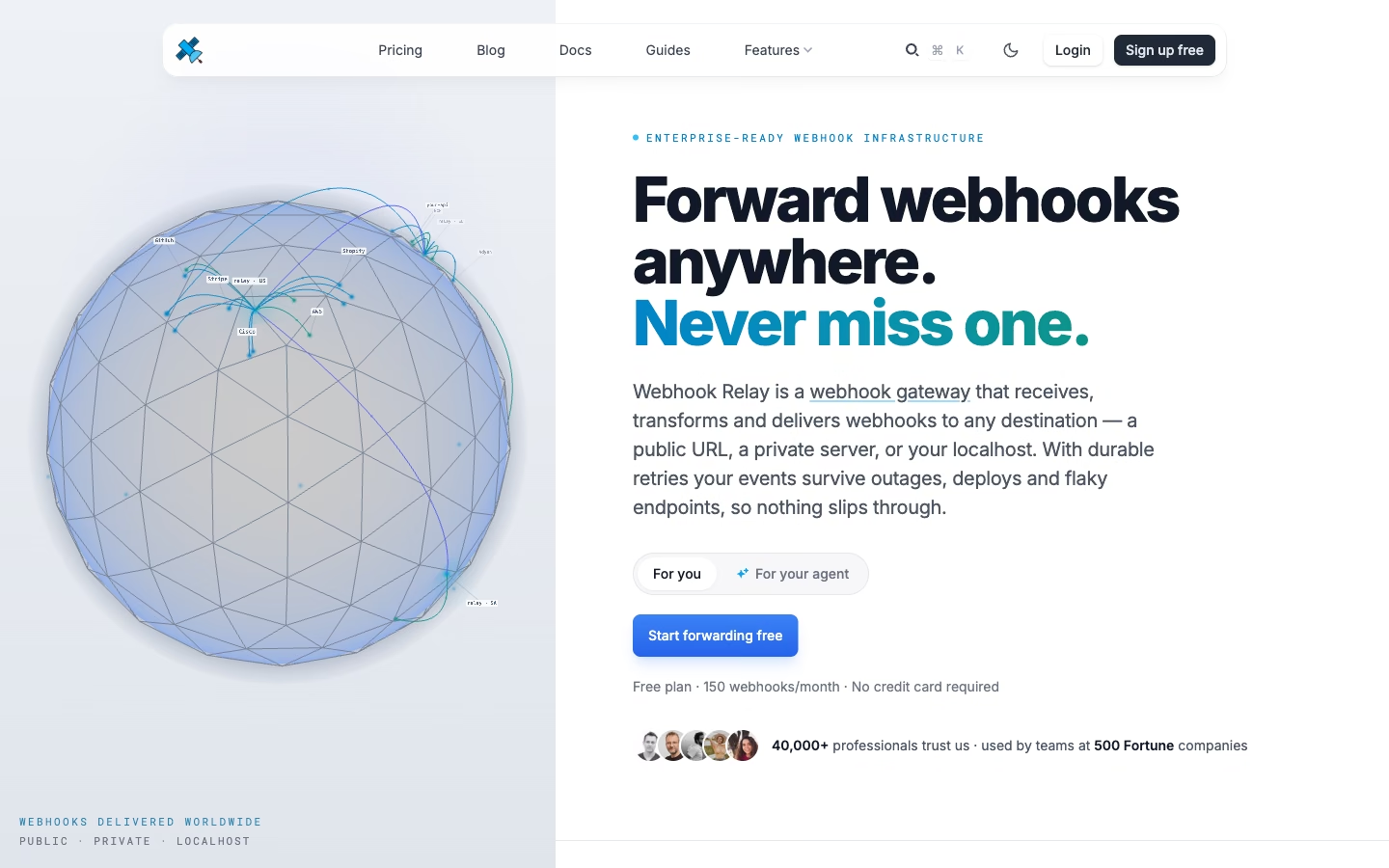
Webhook and API infrastructure with SOC 2 Type II, SSO and audit logs
Designed and developed for the client: webhook forwarding and replay, tunnels, and the audit and access-control surface.
What you get
Security review report with ranked findings
Fix plan and verified fixes
Auth and secrets hardening
Agent security controls
CI security checks
Quarterly review schedule
Questions
What's included in a security engagement?
How long does a security review take?
What do you need from us?
Who owns the code and the data?
Do you test apps that were built with AI coding tools?
Not sure where to start?
Describe the problem in a few lines. You get a straight answer on what we would build and how long it takes.